 Back
Back
Coloured MDF Photo Frames Wholesale: Sizes, Finishes, and Supply Tips
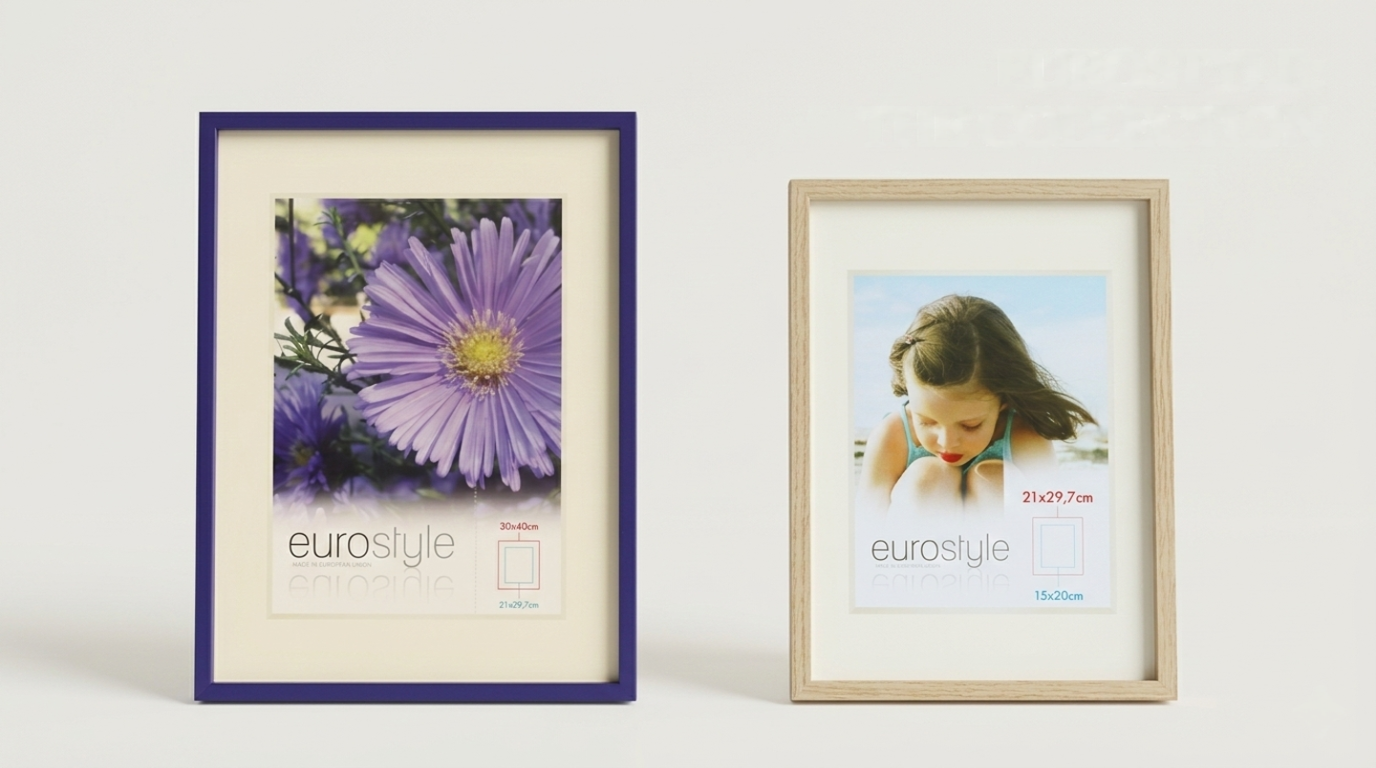
Coloured MDF photo frames are a “quiet winner” in wholesale: they look premium on shelf, stay consistent across batches, and let you scale variants without the chaos you get with natural wood grain. For B2B buyers—retailers, e-commerce brands, and project teams—the real game is picking the right size mix, finishes that don’t come back as returns, and packaging that survives handling.
This guide breaks down what to prioritize when sourcing photo frames wholesale—so you can build a range that sells, reorders cleanly, and protects margin.
What makes coloured MDF frames a strong wholesale product
Coloured MDF frames hit the sweet spot between “design-forward” and “operations-friendly.” They’re ideal when you need repeatable supply, stable visual consistency, and a product range that scales logically across sizes and colours.
From a wholesale lens, MDF works because:
- Consistency is predictable. Colour and surface finish can be standardized more tightly than many natural materials.
- Variants scale cleanly. Size × colour × set count becomes a structured catalogue, not a mess.
- Quality control is easier. Fewer surprises across reorders means fewer headaches for photo frame wholesalers and buyers.
If you’re building a line of wholesale picture frame SKUs for retail or online, coloured MDF is simply easier to industrialize.
MDF vs. wood vs. aluminium for repeatable supply
If your priority is “same look, every reorder,” here’s the practical reality:
- MDF (coloured): High repeatability. Great for clean, uniform finishes and tight colour control. Lower material variability makes it more reorder-friendly for picture framing wholesalers.
- Solid wood / veneer: Strong perceived value, but natural variation can spike complaints (“this batch looks different”). Great for premium lines, with less high-volume consistency.
- Aluminium: Ultra-consistent and durable, with a more “modern / minimal” aesthetic. It’s not a 1:1 replacement if your customers want warm, colourful interiors.
Where coloured MDF frames sell best (retail, projects, e-commerce)
Coloured MDF frames perform best in channels where colour + clean styling drives impulse buys and repeat purchases:
- Retailers: Colour coded displays, seasonal refreshes, and easy “add-on” purchases at checkout.
- E-commerce brands: Strong product photography, consistent look across listings, and bundling options (sets of 2/3/4/6).
- Photography studios & print shops: Reliable sizes and finishes for standard prints.
- Hospitality & office projects: Uniformity across large installs (matching frames across rooms/floors).
Wholesale size strategy: the formats that move volume
Wholesale success isn’t about “offering everything.” It’s about building a size matrix that covers demand while keeping SKU count manageable—especially when you also offer multiple colours.
A tight size strategy reduces:
- dead stock,
- picking/packing errors,
- and the “SKU explosion” that kills margins in picture frames bulk programs.
Core retail sizes (and why they matter)
These are the sizes that typically drive volume because they match mainstream photo/print behavior:
- 4×6" (10×15 cm)
- 5×7" (13×18 cm)
- 8×10" (20×25 cm)
- A4 (21×29.7 cm)
- 11×14" (popular in some markets)
Why they matter: they’re common print outputs, they’re easy to merchandise, and they work as reliable entry points for bulk frames and photo frames in bulk orders.
Poster-friendly sizes and aspect ratios
If you’re serving posters, art prints, and “statement wall” buyers, add poster-driven formats:
- 30×40 cm
- 40×50 cm
- 50×70 cm
- A3 (29.7×42 cm)
These sizes pair well with wall décor and are a natural bridge into wholesale framed pictures (frame + print bundle programs). They’re also great for e-commerce because customers buy fewer pieces—but higher value per unit.
Profile depth & border width: how sizing impacts perceived value
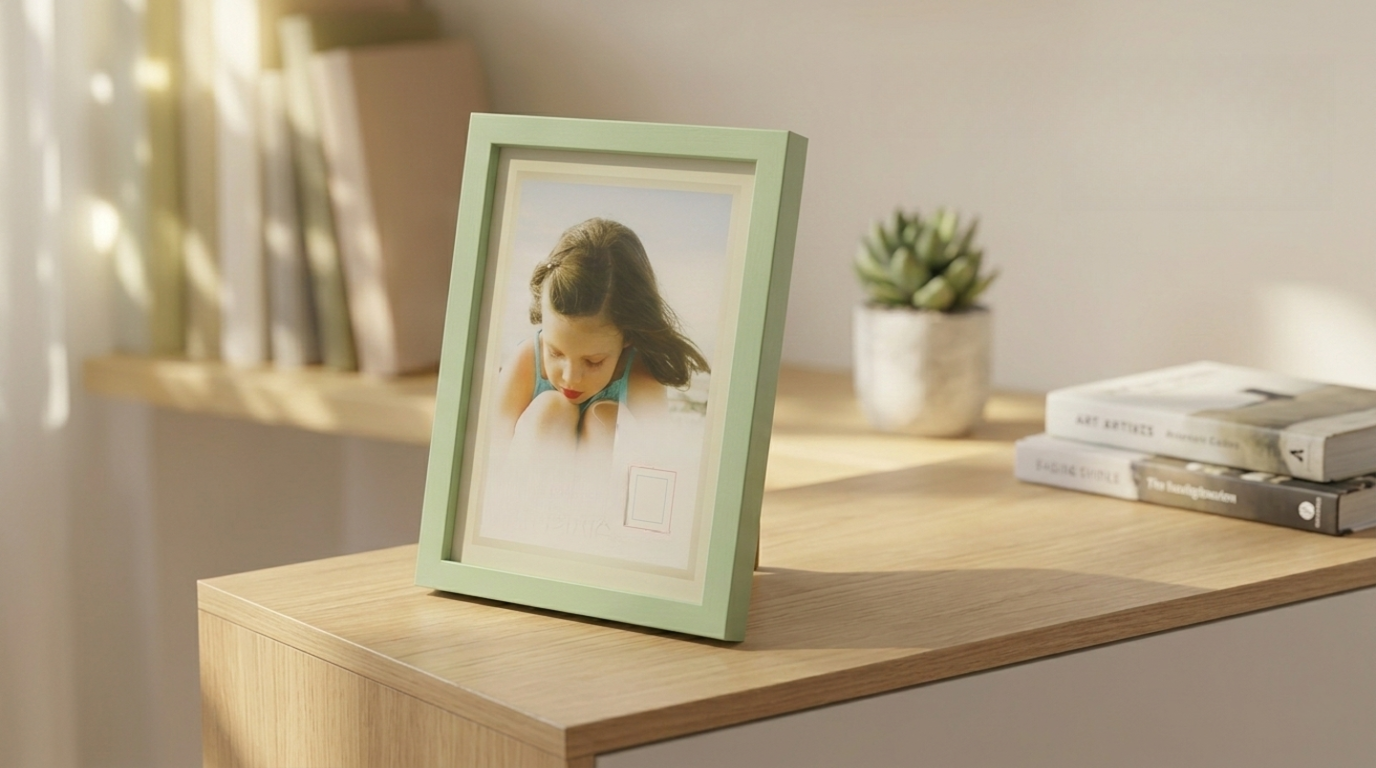
Two frames can share the same outside dimensions and still sell at very different price points because of:
- Profile depth (thin vs. deeper box-like look)
- Border width (narrow modern vs. chunky premium)
A simple wholesale play:
- Use slim profiles for high-volume, price-sensitive SKUs.
- Use slightly wider/deeper profiles to create a premium tier without changing your whole production setup.
Finishes & colours: how to choose a range that actually sells
In wholesale, colour isn’t just design, it’s inventory strategy. The goal is to offer a palette that sells consistently, photographs well, and stays stable across production runs.
Matte, satin, gloss, soft-touch: what buyers prefer
Each finish comes with trade-offs buyers should understand upfront:
- Matte: Clean, modern, hides minor surface imperfections better; can show scuffs if packaging is weak. Great default for photo frames wholesale.
- Satin: Balanced option; often the safest “mass market” finish (good durability + good shelf look).
- Gloss: Pops visually, but fingerprints and micro-scratches show quickly—requires stronger protective packaging.
- Soft-touch: Premium feel; can be sensitive to abrasion and needs careful handling/packaging.
For e-commerce especially, the best finish is often the one that reduces returns, not the one that looks best in perfect studio lighting.
Wrapped foils vs. lacquered paint: durability and consistency
This is one of the biggest wholesale decision points:
- Wrapped foils (decor paper / film wraps): Often more consistent in colour and surface, and can resist certain scuffs better.
- Lacquered/painted finishes: Can look premium, consistency can slightly vary by batch and scratches may show more (depending on paint system and curing).
If you’re dealing with photo frame wholesalers or factory-direct supply, ask for:
- batch-to-batch colour consistency controls,
- edge durability test approach,
- and what protections they use before master carton packing.
Colour palette logic: safe bestsellers + seasonal accents
Don’t run your colour range like a rainbow “just because.” Run it like a portfolio:
Core bestsellers (always-on):
- Black, white, wood decor
Accent colours (limited/seasonal):
- Bold red/blue/green for holiday campaigns
- muted pastel tones, orange, yellow for special events
A smart wholesale setup is: 80% core colours + 20% rotating accents. That keeps reorders clean while still giving buyers newness.
Wholesale-ready build quality: what to spec and what to test
If you want lower return rates and higher reorder confidence, treat this section like your spec sheet. The buyer should know exactly what to request and how to validate it.
MDF density, corner joints, and warp resistance
The pain points in MDF frames are rarely “MDF itself.” They’re usually build decisions around it:
- Stability / warping: especially in larger sizes or humid storage conditions
- Corner joints: gapping, misalignment, weak fastening
- Edge durability: chipping or visible seams on coloured finishes
Wholesale best practice: define a simple QC standard for corners (alignment, gap tolerance), surface defects (scratches, dust under glazing), and overall squareness. This is essential when you’re buying bulk photo frames and need consistent presentation.
Glazing choices: glass vs acrylic (shipping damage vs clarity)
Glazing choice is where wholesale economics meets reality:
- Glass: Better scratch resistance and clarity feel, but higher breakage risk in shipping/handling.
- Polystyrene Sheets: Lower breakage risk and often better for e-commerce and long-distance shipping; can scratch if not protected properly.
If you ship D2C or across warehouses, acrylic often reduces damage costs—making it a strong option for picture frames bulk programs. If you’re mostly local retail distribution with careful handling, glass can still make sense.
Packaging that survives wholesale and e-commerce
Packaging isn’t a “nice-to-have.” It’s margin protection. If your frames arrive chipped, scratched, or cracked, you’re effectively donating profit to returns.
Unit packaging: corner guards, sleeves, protective films
At minimum, each frame should be protected against three threats: edge impact, surface abrasion, and glazing scuffs.
A wholesale-safe unit pack usually includes:
- Corner guards
- Protective sleeve or wrap
- Protective film on glazing (especially acrylic)
- Optional: thin foam sheet or micro-cushion layer for premium lines
This is one of the biggest differences between “frames that look good” and “frames that survive bulk distribution.”
Master cartons & palletization: how to reduce breakage rate
For master cartons and pallet loads, you’re optimizing for compression, drop impacts, and vibration:
- Use master carton sizes that avoid “room to slide” inside the box
- Add edge protection or separators for multi-pack cartons
- Palletize with corner boards, proper strapping, and stretch wrap
- Avoid over-stacking heavy loads on larger frames
FAQ: Coloured MDF frames wholesale
What are the best selling sizes for coloured MDF photo frames wholesale?
Most wholesale programs start with core photo/print sizes like 4×6", 5×7", 8×10", and A4 then expand into poster sizes like 30×40, 40×50, and 50×70 for higher-value wall décor lines.
Glass or acrylic for wholesale frames - what’s safer for shipping?
Polystyrene is typically safer for shipping (lower breakage), especially for e-commerce. Glass can be a better “premium feel” choice if your distribution is controlled and packaging is robust.
Can I mix sizes/colours in one wholesale order?
Often yes—especially when working with stocked lines or custom wholesalers. For factory-direct custom runs, mixing is possible but usually depends on how production is scheduled (colour runs and tooling changeovers).
Are coloured MDF frames suitable for hospitality & office projects?
Yes—projects love coloured MDF because you can keep a consistent look across many units. Just prioritize stable finishes, durable edges, and reorder reliability.


