Back
Back
If you're sourcing picture frames for a UK business, whether that's a gallery, a photo studio, an e-commerce brand, a hotel group, or a chain of shops, buying "a few boxes at a time" from a local supplier stops making sense fairly quickly. At some point the maths flips: unit prices drop, but the process gets more complicated. You're suddenly dealing with minimum order quantities, freight from the EU, import VAT, and sizing conventions that don't always match what you're used to on the UK high street.
This guide is written specifically for UK buyers and walks through the practical side of the process: what sizes to order, how EU sourcing works after Brexit, how pricing and MOQ actually work in practice, and how to place a first wholesale order without costly surprises. If you still need to vet a specific factory before signing anything, our separate guide to choosing the right frame manufacturer covers certifications, quality control, and the questions to ask before you commit. Here, we focus on the buying process itself.
Who Actually Buys Picture Frames Wholesale in the UK
Bulk frame buying isn't a single market. It covers quite different use cases, and the right approach depends on which one you fall into:
- Independent framers and framing shops, who need a reliable stock of standard profiles and mouldings to build custom orders around.
- Photo studios and print labs, who sell framed prints as an add-on and need consistent quality across hundreds of units a month.
- Wall art and poster e-commerce brands, who need aluminium frames or wood frames that match their branding and ship well.
- Hospitality, offices and retail fit-outs, buying large quantities of a small number of frame formats for signage, menus, or décor.
- Schools, universities and corporates, ordering certificate or graduation frames in bulk, often on a recurring annual basis.
- Galleries and exhibition organisers, who need frames that look premium but are priced to scale across large exhibitions.
Each of these buyers cares about a different mix of price, speed, and customisation, worth being honest with yourself about which one you are before you start requesting quotes.
UK Frame Sizes vs EU Sizing Conventions
This is where a lot of first-time UK buyers get caught out. Most UK retail frames are sold in inch sizes: 6x4, 8x10, 10x12, 12x16, 16x20, A-series being the exception rather than the rule. European manufacturers, on the other hand, typically work in centimetres and DIN formats (A4, A3, A2, A1, B1), because that's the standard across the EU market.
A rough conversion for the sizes UK buyers ask for most often:
| UK / Inch size | Approx. metric equivalent |
| 6x4" | 15x10 cm |
| 8x10" | 20x25 cm |
| 10x12" | 25x30 cm |
| 12x16" | 30x40 cm |
| 16x20" | 40x50 cm |
| A4 | 21x29.7 cm |
| A3 | 29.7x42 cm |
| A2 | 42x59.4 cm |
If your product range is built around inch sizes, say so explicitly when requesting a quote. A manufacturer with genuine custom frame production capability can cut to your exact dimensions, but only if you specify them up front rather than assuming DIN sizes will be "close enough."

Sourcing Options: UK Domestic vs EU Manufacturers
UK buyers generally have three routes:
- UK wholesalers and distributors: usually the fastest to reach and the easiest for small orders, but they're often reselling frames sourced from the same European or Asian factories, with a margin added. Fine for low volumes, less competitive once you're ordering at scale.
- Asian manufacturers: typically the lowest unit price, but with eight-to-twelfe week transit times, higher MOQs, and more risk around quality consistency and communication.
- EU manufacturers: the middle ground most UK bulk buyers land on. Competitive pricing at volume, FSC-certified materials, and shorter lead times than sourcing from Asia, thanks to geographic proximity.
For most UK businesses ordering hundreds to tens of thousands of units per year, an established EU producer offers the best balance of cost, lead time and quality control. Once you've shortlisted a few candidates, it's worth running them through a proper vetting process rather than comparing on price alone. Our manufacturer selection guide sets out the certifications and quality checks worth confirming before you sign anything.
Buying From the EU After Brexit: What UK Buyers Need to Know
Since Brexit, importing frames from the EU into the UK is no longer "VAT-free intra-EU trade", it's a standard customs import, and it's worth understanding the mechanics before your first shipment arrives.
Import VAT
UK-registered businesses pay import VAT (currently 20%) on goods brought in from the EU. If you're VAT-registered, this is generally reclaimable as input tax on your VAT return, so it's a cash-flow consideration rather than a hard cost, but budget for it upfront.
Customs duty
Picture frames typically fall under commodity codes in HS chapter 44 (wood) or 76 (aluminium), and duty rates vary by material and origin. Ask your supplier for the correct commodity code on their commercial invoice, and check the current rate on the UK's Trade Tariff tool. Rates do get updated.
Customs documentation
A proper commercial invoice, correct HS codes, and (where applicable) a certificate of origin will avoid delays at the border. A manufacturer with genuine experience shipping into the UK post-Brexit should be able to produce these without back-and-forth.
Lead time
Production based in Central Europe, Slovakia, for example, typically ships to the UK within roughly three to four weeks of order confirmation including transit, versus eight to twelve weeks from Asia. For businesses running seasonal promotions or replenishing fast-moving stock, that difference is often the deciding factor.
How Pricing and MOQ Work in Practice
Wholesale frame pricing isn't a flat price list. It moves with a few variables, and understanding them helps you negotiate a fair deal rather than just accepting the first quote.
Volume tiers
Unit price drops as order volume increases, because setup and changeover costs are spread across more units. Ask for a tiered price sheet (e.g. pricing at 500 / 2,000 / 10,000 units) rather than a single number, so you can see where the next meaningful discount kicks in.
Minimum order quantity (MOQ)
Standard catalogue sizes usually carry a lower MOQ than custom dimensions or finishes. If you're a smaller UK buyer just getting started, ask specifically about MOQ on standard sizes. It's often considerably more accessible than the custom-production minimum.
Material choice affects both price and MOQ
Wood and MDF frames and aluminium frames have different production economics. Our separate guide on sourcing wholesale wood picture frames goes into moulding types and finishes in more depth if wood is your primary category.
Payment terms
First orders are typically paid upfront or on delivery. Established buyers with an order history can often move to improved terms. It's worth asking about this early if you expect to become a repeat customer.
Samples before commitment
Never place a full production order without approving physical samples first: moulding cut-offs for colour and finish, and at least one fully assembled unit. This is standard practice and any credible supplier will offer it.
Choosing the Right Frame Types for Your Business
Not every frame type suits every use case. A quick way to narrow it down:
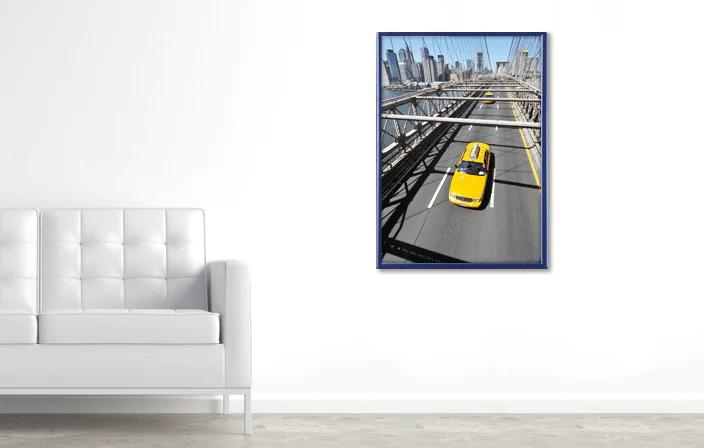
- Aluminium frames: slim profiles, consistent finish, well suited to modern retail, offices, and gallery-style hanging at volume.
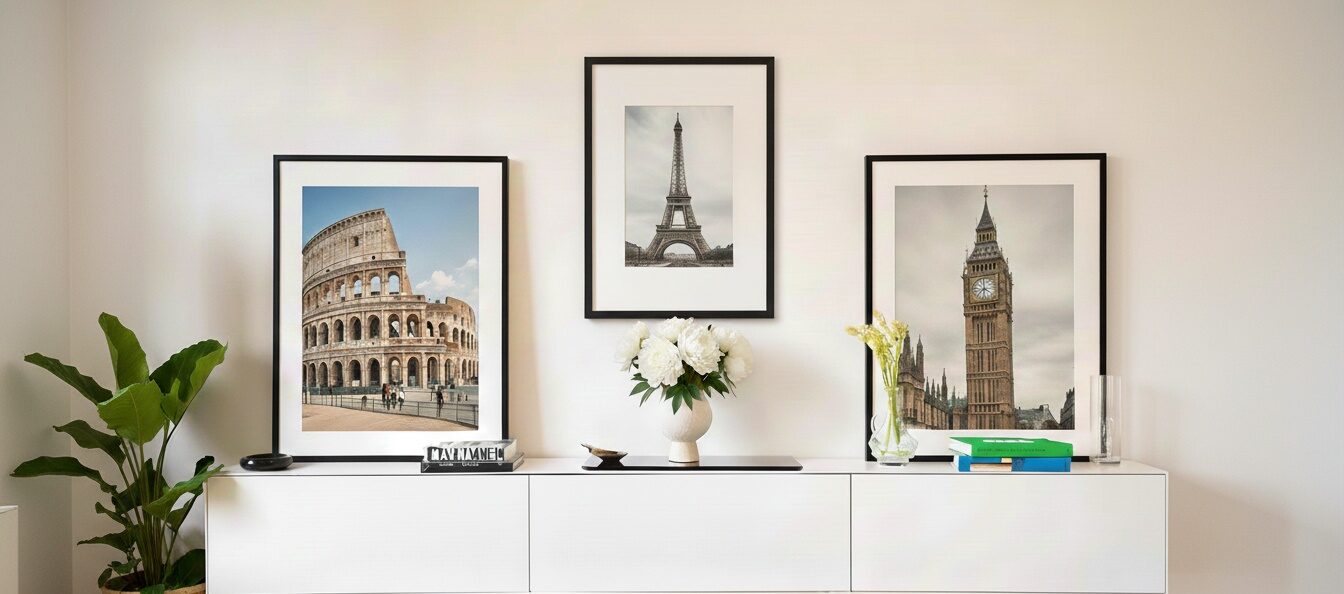
- Wood frames: a warmer, more traditional look, popular with photo studios, home décor retailers, and gift/certificate framing.
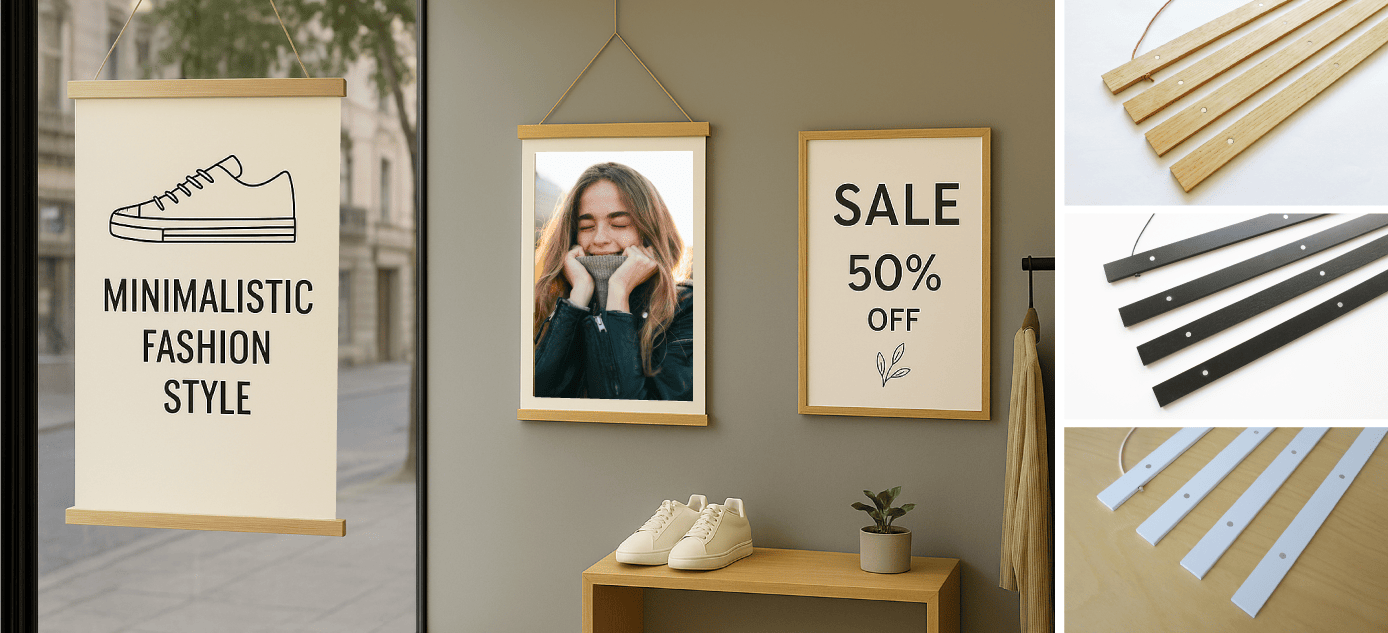
- Magnetic poster hangers: fast to assemble at scale, popular for exhibitions, pop-up retail, and frequently-changed displays.
- Clip frames: the lowest-cost option for temporary signage, schools, and high-turnover print display.
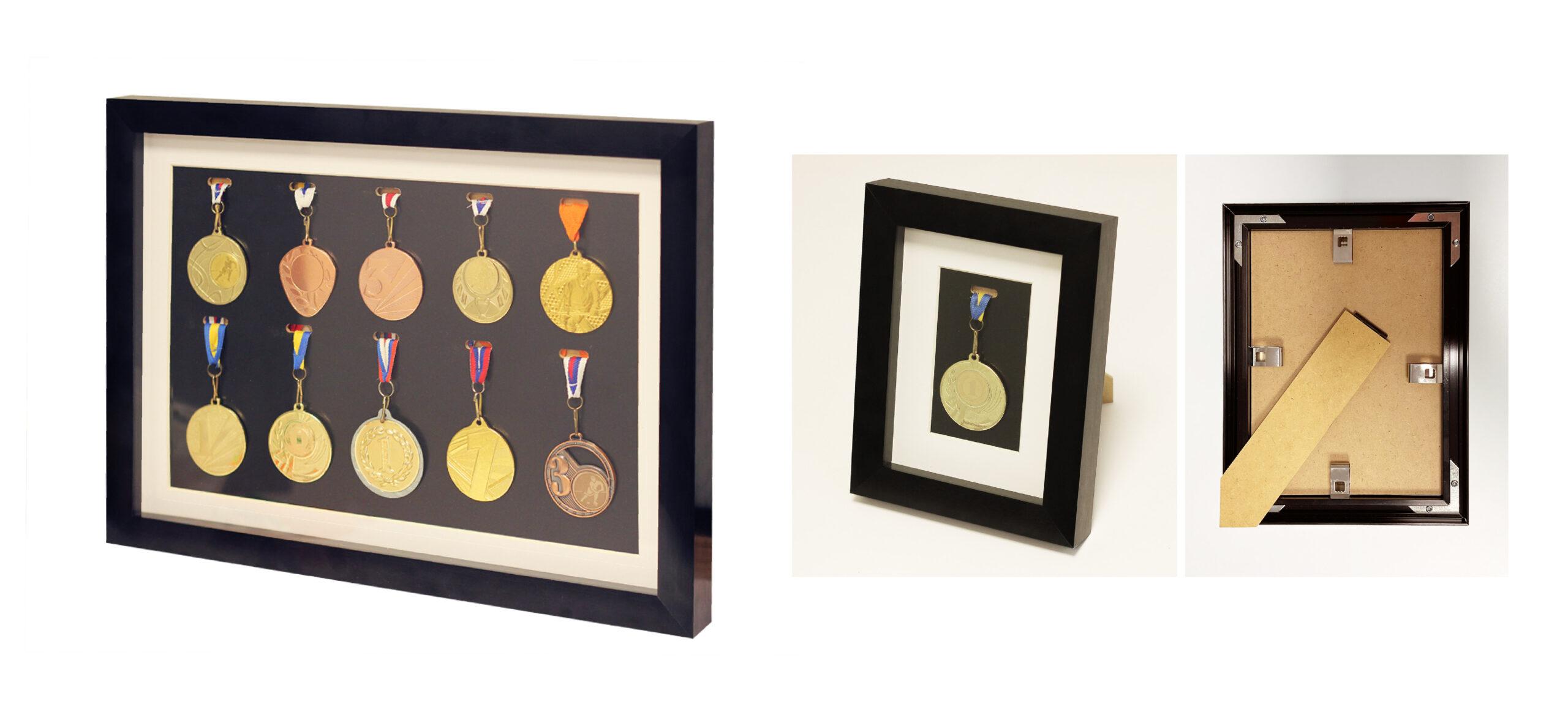
- MDF frames: a cost-effective alternative to solid wood, offering a clean, uniform appearance and making them suitable for home décor, retail displays, certificates, and other applications where consistency and price matter.
- Framing supplies: mounts, backing boards and glass for buyers assembling frames in-house rather than ordering finished units.
If your product range spans several of these, sourcing them from a single supplier with a broad product catalogue reduces the number of vendor relationships and shipments you need to manage.
Placing Your First Wholesale Order: A Practical Checklist
- Define your spec: sizes (in inches or cm), material, finish, glass or acrylic glazing, with or without mount.
- Request a tiered quote covering at least two or three volume levels.
- Confirm Incoterms
- Ask for FSC and ISO documentation if sustainability or retail compliance matters to your buyers.
- Order samples before committing to full production.
- Confirm lead time in writing, including production and transit separately.
- Clarify packaging: individual protection, carton configuration, and pallet setup suited to UK delivery networks.
- Agree payment terms for the first order and ask what's possible for repeat business.
Common Mistakes UK Buyers Make
- Assuming DIN sizes match UK inch sizes without converting or confirming, leading to a batch that doesn't fit existing mounts or packaging.
- Ignoring Incoterms, then being surprised by a customs bill or a shipment stuck at the border.
- Comparing unit price only, without factoring in MOQ, minimum order value, and total landed cost including duty and VAT.
- Skipping samples to save a week or two, then discovering a finish or colour issue across an entire production run.
- Not asking about repeat-order lead times: first orders and reorders don't always move at the same speed if a factory is at capacity.
Why UK Buyers Choose Debex Suisse AG
Debex Suisse AG has produced wholesale frames since 1980, with production based at Ramex a.s. in Senica, Slovakia, giving UK buyers EU-based lead times of roughly three weeks from order confirmation, rather than the eight-to-twelve week wait typical of Asian sourcing. The facility holds EN ISO certification and has been FSC-certified since 2005, which matters if your UK retail partners require verified sustainable sourcing documentation.
The product range covers aluminium, wood, MDF, plastic, magnetic poster hangers and clip frames, so UK buyers sourcing across several categories can consolidate into a single shipment rather than managing multiple suppliers. Custom production is available across dimensions, finish, glazing and packaging, including private label and OEM branding for businesses selling under their own name. You can read more about the company on our about us page, or see the full list of partnership benefits available to bulk buyers.
To get a tiered quote for your UK order, get in touch with our sales team with your sizes, materials and target volumes.
FAQ
Do I pay VAT on picture frames imported from the EU into the UK?
Yes. Since Brexit, imports from the EU are subject to UK import VAT (currently 20%), payable at the point of import. If your business is VAT-registered, this is generally reclaimable as input tax on your next VAT return.
What is the typical lead time for wholesale frames shipped from the EU to the UK?
For a manufacturer based in Central Europe, typical lead time is around three to four weeks from order confirmation to delivery, including transit, compared with six to twelve weeks for orders sourced from Asia.
What is a realistic MOQ for a first wholesale order?
MOQ varies by material and whether you're ordering standard catalogue sizes or custom dimensions. Standard sizes generally carry a lower minimum than custom production, so it's worth asking specifically about standard-size MOQ if you're placing a smaller first order.
Can I order UK inch sizes from an EU manufacturer that works in DIN formats?
Yes, provided the manufacturer offers custom production. Specify your exact inch dimensions rather than assuming a DIN size will match, and confirm the conversion in writing before production begins.