Back
Back
This guide walks you through every factor worth evaluating before you sign a supply agreement, from production plant capacity and material standards to custom production options and European logistics. By the end, you will have a clear framework for making an informed, long-term decision.
Why Choosing the Right Frame Manufacturer Matters
Most B2B buyers underestimate just how much a manufacturing partner influences the downstream experience. Lead times, product consistency, and packaging quality all trace back to decisions made on the production floor. Choosing the wrong partner creates costs that rarely appear in the original price comparison.
The Impact on Product Quality
Frame quality is not just about aesthetics. It is about dimensional accuracy, material consistency, surface finish repeatability, and the durability of assembly components such as glass, backboards, and hanging hardware. When a frame producer maintains rigorous quality control, every pallet that arrives at your warehouse matches what was approved during the sampling stage. Inconsistency in profile dimensions, uneven lacquer application, or varying glass thickness across batches creates returns, customer complaints, and ultimately margin erosion.
For businesses that sell frames under their own brand, the stakes are even higher. Your label is on the product, so the manufacturer's quality becomes your quality in the eyes of the end customer.
The Importance of Reliable Supply Chains - From Production Plant to Customer
Reliable supply chains protect businesses from the ripple effects of demand spikes, raw material shortages, or seasonal peaks. A stable frame production company with predictable lead times allows you to plan inventory levels with confidence, reduce safety stock requirements, and commit to your own customers without over-promising. If a manufacturer struggles with delivery consistency, your entire sales operation absorbs the disruption.

Key Factors to Evaluate When Selecting a Frame Manufacturer
Evaluating a potential manufacturing partner requires more than requesting a price list. The following criteria give you a structured way to compare suppliers and identify risks before they become problems.
Industry Experience and Expertise
Years in operation matter, but specialisation matters more. A general contract manufacturer that occasionally produces frames is very different from a dedicated frame production company with decades of category-specific knowledge. Look for a frame manufacturer who can speak fluently about profile materials, mitre joint tolerances, glass types, backboard specifications, and assembly configurations. Their depth of knowledge signals their ability to catch problems before they reach your shipment.
Ask for references from B2B clients in comparable product segments. A manufacturer that supplies wall art wholesalers, printing companies, or large-format retailers is already familiar with the operational demands your business will place on them.
Product Portfolio and Frame Types
A strong frame producer should offer breadth across frame categories. For most B2B buyers this means access to aluminium frames, wood frames, and specialised formats such as magnetic poster hangers and clip frames. Sourcing from a supplier with a wide portfolio reduces the number of vendor relationships you need to manage and enables consolidated shipments.
Beyond the standard range, evaluate whether the manufacturer can handle non-standard sizes, custom finishes, and assembled products ready for immediate retail. A broad catalogue signals production flexibility and the infrastructure to support varied client requirements.

Material Quality Standards
The materials used in frame production have a major impact on durability, appearance, and long-term performance. For wooden frames, important factors include the wood species, the quality and density of the MDF or engineered wood components, the lacquer or foil finish, and any sustainability certifications. For aluminium frames, extrusion quality, anodising consistency, and the corner joining method are key indicators of precision and longevity.
Reputable manufacturers clearly document their material specifications and can provide technical information on request. If a supplier cannot explain the materials used or provide basic technical details, that is a signal worth taking seriously.
Certifications and Quality Assurance
Certifications are not just formalities. They represent a manufacturer's commitment to documented, auditable processes. For B2B buyers, they provide an independent verification of what a supplier claims about its own quality and practices.
ISO Certifications and Standards for Production plants
ISO 9001 certification is the baseline standard for quality management systems. It confirms that the manufacturer has documented procedures for every stage of production, conducts regular internal audits, and has a structured approach to corrective actions when defects occur. For buyers supplying regulated retail environments, particularly in Western Europe, ISO certification is often a procurement prerequisite rather than a differentiator.
Quality Control Processes
Ask potential suppliers to describe their incoming material checks, in-line quality monitoring, and final inspection procedures. A professional frame factory should be able to articulate exactly how and when quality is checked throughout the production process. Random sampling at final inspection is not sufficient on its own. The most reliable manufacturers integrate quality control at each stage: raw material receipt, profile cutting, assembly, and finished goods packing.
Sustainability and Environmental Compliance
FSC certification is the key standard for wood-based frame products. It confirms that the timber used in production originates from responsibly managed forests and that the chain of custody from forest to finished product is traceable.
For businesses with ESG commitments or retail partners that require verified sustainable sourcing, partnering with an FSC-certified frame manufacturing supplier is not optional. Beyond FSC, evaluate whether the manufacturer uses recyclable packaging, and has a waste reduction programme at its facility.

Assessing Manufacturing Capacity and Scalability
A manufacturer that serves your business well at current volumes may become a constraint as you grow. Capacity assessment should account for both your immediate needs and your projected requirements over the next two to three years.
Production Volume Capabilities
Request information about the manufacturer's production plant current output, the number of active production lines, and the percentage of capacity currently committed to existing clients. A manufacturer running at near-full capacity with a long client list may not be able to absorb your orders reliably, particularly during peak demand periods. Conversely, a frame factory with surplus capacity is typically more responsive and flexible.
Lead Times and Production Flexibility
Lead time is one of the most commercially sensitive factors in frame sourcing. A manufacturer with production facilities close to your target markets and a well-stocked raw material inventory can compress the time between order placement and delivery significantly. For European buyers, a supplier with production in Central or Eastern Europe can typically deliver within three weeks of order confirmation, which is a meaningful advantage over suppliers based in Asia with six to twelve week transit times.
Flexibility to accommodate urgent orders, mid-season volume adjustments, or last-minute product changes is equally important. Discuss how the manufacturer handles these scenarios before you place your first order.
Ability to Support Business Growth
The best manufacturing partnerships grow with you. Evaluate whether a potential supplier has experience scaling production for clients who have expanded significantly. Ask whether they can increase allocated capacity on agreed timelines and whether they have experience managing international growth alongside their clients. A manufacturer with a stable, experienced team and modern production infrastructure is better placed to absorb your growth without service quality deteriorating.
Understanding MOQ (Minimum Order Quantity)
Minimum order quantity is a fundamental commercial parameter in wholesale frame sourcing. It affects your cash flow, storage requirements, and the range of products you can realistically carry.
Why MOQ Matters
MOQ requirements are set by manufacturers to make each production run economically viable. From the supplier's perspective, low MOQ runs increase changeover frequency, reduce production line efficiency, and erode margins. From the buyer's perspective, high MOQ requirements tie up working capital and force larger inventory positions than may be commercially sensible for slower-moving sizes or styles.
Understanding the MOQ structure of a potential wholesale frame manufacturer upfront allows you to model the true cost of holding inventory and compare total landed cost across suppliers, not just unit price.
Finding the Right Balance Between Cost and Flexibility
The relationship between MOQ and unit price is usually inverse: higher volumes attract lower per-unit costs. However, a lower unit price achieved through an excessively high MOQ commitment may actually increase your total cost when warehousing, tied-up capital, and the risk of slow-moving stock are factored in. The right balance depends on your sales velocity, available storage space, and the number of SKUs in your range.
MOQ Considerations for Startups and Large Businesses
Early-stage businesses typically need lower MOQ thresholds to manage cash flow and test market demand across multiple frame formats before committing to larger positions. Established businesses with predictable sales data and efficient warehousing can often leverage higher MOQ commitments to secure meaningfully better pricing. Look for a frame supplier that can accommodate both scenarios, either through tiered pricing structures or by offering a standard catalogue range alongside a custom production programme with different minimums.
Custom Frame Production Capabilities
For businesses that differentiate through product exclusivity, branded packaging, or non-standard formats, custom production capability is a critical selection criterion.
Design Customization Options
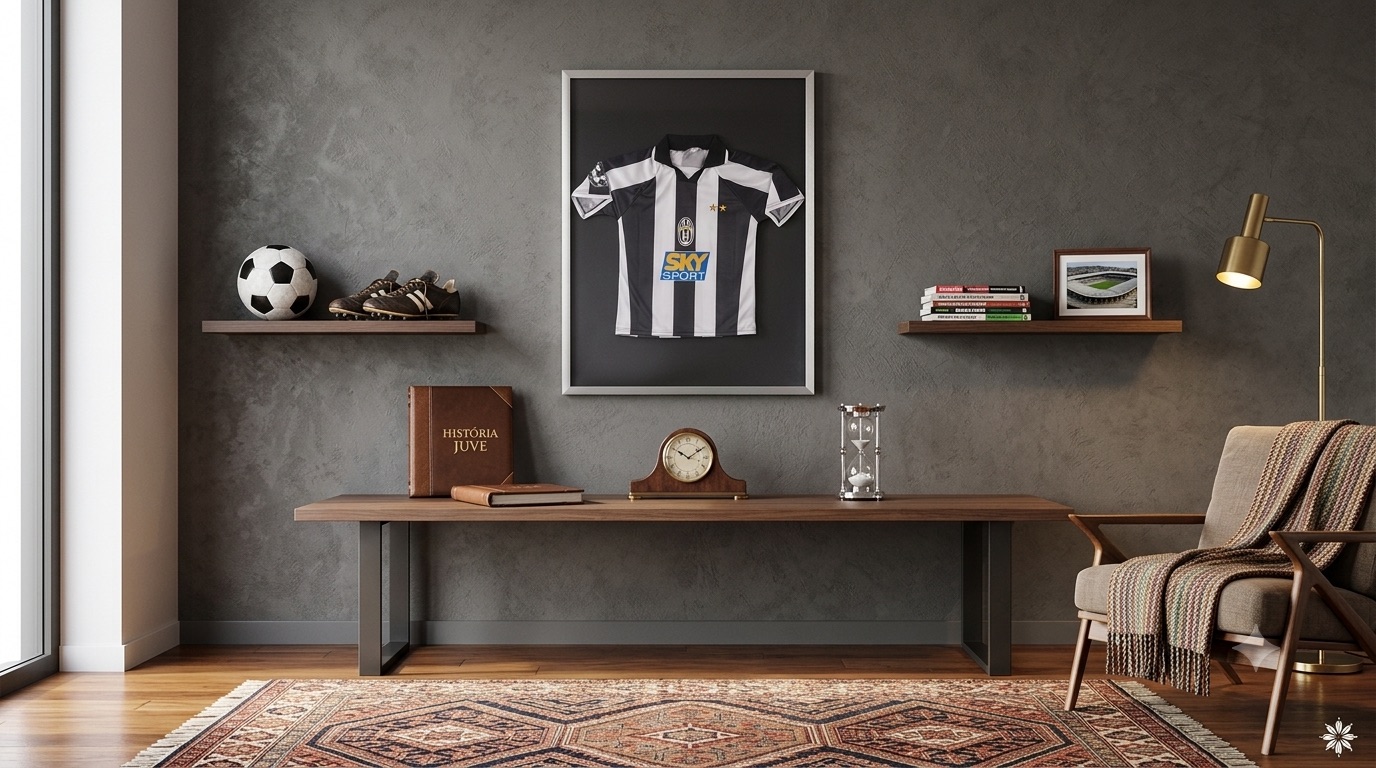
A capable custom frame manufacturer should be able to work across multiple customisation dimensions simultaneously: frame dimensions beyond standard ISO sizes, profile material choices, surface finishes including lacquer colours and foil wraps, glass and backboard specifications, pre-cut mat options, and branded inlays or marketing inserts. The ability to combine these variables into a single bespoke product is what separates a true custom frame production partner from a supplier that simply cuts standard profiles to non-standard lengths.
Prototype and Sampling Services
No responsible B2B buyer should commit to a production run without approving physical samples. A manufacturer that provides well-executed samples, including moulding cut-offs for colour and texture evaluation and fully assembled product samples for overall quality assessment, gives you the tools to validate specifications before mass production begins. Sampling should not be treated as an optional step. It is the primary mechanism for preventing costly errors at scale.
Private Label and OEM Manufacturing
For businesses that want to sell frames under their own brand, OEM and private label manufacturing services eliminate the need to build your own production infrastructure. This includes custom labelling, branded packaging, and in some cases the printing of marketing inlays or posters included within the frame at point of sale. An experienced OEM frame producer can make your brand look and feel like a premium manufacturer without the capital investment that vertical integration would require.
Logistics, Distribution and International Delivery
Operational efficiency in logistics is as important as manufacturing quality. A frame that arrives damaged or late has the same commercial impact as a frame that was never shipped.
Packaging Standards and Product Protection
Frames are fragile products. Glass breaks, corners chip, and surface finishes scratch. The packaging solution used during transit is a direct reflection of how seriously a manufacturer takes product integrity. Evaluate the quality of individual frame packaging, corner protectors, interleaving materials, and outer carton construction. Ask whether packaging is configurable to your specific requirements, particularly if you sell directly to end consumers where unboxing presentation matters.
Global Shipping Capabilities
For businesses exporting across Europe or beyond, a manufacturer with direct shipping experience to multiple markets is a significant advantage. This includes familiarity with customs documentation, export compliance, pallet configurations optimised for specific carrier networks, and the ability to consolidate orders efficiently. A manufacturer that ships only domestically will create complexity and cost when your business needs to serve international customers.
Warehousing and Distribution Support
Some manufacturers offer warehousing and distribution services alongside production, enabling buyers to maintain a virtual stock position at the factory and draw against it as orders arise. For businesses without their own warehousing infrastructure, or those managing seasonal demand spikes, this kind of logistical flexibility can meaningfully reduce operational complexity and the capital tied up in finished goods inventory.

Questions to Ask Before Signing a Manufacturing Agreement
Before formalising any supplier relationship, use the following questions to pressure-test the partnership. The quality of the answers will tell you as much as the content.
Production and Quality Questions
- Quality management certifications: What certifications does your facility hold, and when were they last audited?
- Quality control process: Can you walk me through your process from raw material intake to finished goods inspection?
- Non-conforming products: How do you handle defects discovered after delivery?
- Defect rate: What is your defect rate on standard production runs, and how is it tracked?
- FSC certification: Do you hold FSC certification, and is it applicable to the specific product range I am sourcing?
Commercial and Pricing Questions
- MOQ requirements: What are your minimums by product category, and do they differ for standard versus custom orders?
- Payment terms: What are your payment terms, and are they adjustable based on order history?
- Price reviews: How do you handle raw material price fluctuations, and are price reviews on a fixed schedule?
- Volume changes: What notice period is required for volume changes up or down?
Logistics and Support Questions
- Lead time: What is your standard lead time from confirmed order to dispatch, and how does this vary by season?
- International shipping: Do you have experience shipping to my target markets, and can you handle customs documentation?
- Packaging options: What packaging is available, and can it be customized to my brand requirements?
- Account management: Who is my dedicated point of contact once a trading relationship is established?
- Production communication: How do you manage updates during production to keep me informed of progress?
Why Businesses Choose Debex Suisse AG as Their Manufacturing Partner
Debex Suisse AG, has been producing wholesale frames since 1980. Over more than 40 years of operation, the company has developed a reputation as one of Europe's most reliable frame producers, trusted by wall art retailers, printing companies, wholesalers, department stores, photo shops, and galleries. The combination of Swiss process standards and Central European production efficiency gives clients a rarely available combination: rigorous quality control at commercially competitive pricing.
European Manufacturing Standards
Production takes place at Ramex a.s. in Senica, Slovakia, operated by a team of around 150 employees across production, logistics, and sales. The facility holds EN ISO certifications and FSC certification, and the company has been an FSC-certified supplier since 2005. For buyers in the European market, this means full traceability for wood-based products and the documentation required to meet the sustainability procurement criteria of major retailers and e-commerce platforms. The Slovak production location provides logistics proximity to the largest European markets, with a standard lead time of approximately three weeks from order confirmation to dispatch.
Custom Production and Flexible MOQ
Debex Suisse AG offers a structured approach to custom picture frame production that covers every customization dimension: profile material (aluminium, wood, or plastic), frame dimensions, surface finish, glass type, backboard specification, mat options, branded inlays, labelling, and outer packaging. The sampling process is handled by a dedicated sample department that prepares fully assembled product samples for client approval before production begins. For businesses interested in OEM or private label arrangements, the company has established experience delivering branded solutions to clients across Europe.
The product range spans aluminium frames, wood frames, plastic frames, magnetic poster hangers, clip frames, and framing supplies, enabling consolidated sourcing across multiple product categories from a single supplier relationship.
Efficient Logistics Across Europe
With production in Slovakia and a client base spanning Europe and the United States, Debex Suisse AG has developed logistics and packaging processes designed for international B2B delivery. Packaging is configurable to client requirements, with options for individual product packaging, corner protection, and pallet configurations suited to specific delivery networks. The team can manage customs documentation and export compliance, reducing the administrative burden for buyers sourcing across borders. To discuss your specific requirements, you can reach the Debex sales team directly or explore the full product catalogue and partnership benefits online.
Conclusion
Selecting the right frame manufacturer is a business-critical decision that extends far beyond unit price. The factors that determine long-term value in a manufacturing partnership include product quality consistency, certification credentials, production capacity and scalability, custom production capability, MOQ structure, and logistical reliability across your target markets.
The most effective approach is to evaluate suppliers systematically against each of these criteria before entering a commercial relationship. Request samples, ask the questions listed in this guide, and look for a manufacturer that demonstrates not just current capability but the operational maturity to support your business as it grows.
For businesses sourcing wholesale frames for the European market, Debex Suisse AG represents a well-established option that combines 40 years of specialist experience, FSC and ISO certification, custom production services, and proven pan-European logistics.
FAQ
What should I look for in a frame manufacturer?
The most important factors are industry specialisation, material quality and certifications (particularly ISO and FSC for wood products), production capacity relative to your order volumes, custom production capability, MOQ structure, and demonstrated logistics reliability for your target markets. Visit the manufacturer's facility or request detailed documentation on each of these areas before committing to a supply agreement.
What is MOQ in frame manufacturing?
MOQ stands for minimum order quantity. It is the smallest number of units a manufacturer will produce in a single run. MOQ requirements exist because each production run involves setup time and changeover costs that need to be spread across a sufficient number of units to remain economically viable. For buyers, MOQ affects cash flow, inventory levels, and the range of SKUs that can be carried simultaneously. Most wholesale frame manufacturers have different MOQ thresholds for standard catalogue products and custom production runs.
Can frame manufacturer produce custom-sized frames?
Yes. Most experienced frame producers can manufacture frames to non-standard dimensions, provided the order volume meets their custom production minimums. Custom frame production typically also encompasses choices of profile material, surface finish, glass type, backboard, mat options, and branded packaging. The process usually begins with a technical specification review followed by sampling before full production is confirmed.
How do I evaluate a frame manufacturer production capacity?
Ask the manufacturer about their current production output, the number of operational production lines, their current capacity utilisation rate, and how they manage demand peaks. Request information on their largest current clients and typical order volumes. A manufacturer that is already operating at near-full capacity with a large committed client base may not be able to guarantee the service levels your business requires, particularly during high-demand periods.
Why are certifications important when choosing a frame supplier?
Certifications provide independent, auditable verification of claims a manufacturer makes about quality, sustainability, and process standards. ISO 9001 confirms that documented quality management procedures are in place and regularly reviewed. FSC certification is essential for wood-based products when your retail partners or end customers require verified sustainable sourcing. Without these certifications, a supplier's quality claims are unverifiable, which creates risk for buyers who need to demonstrate supply chain compliance to their own customers or procurement teams.